
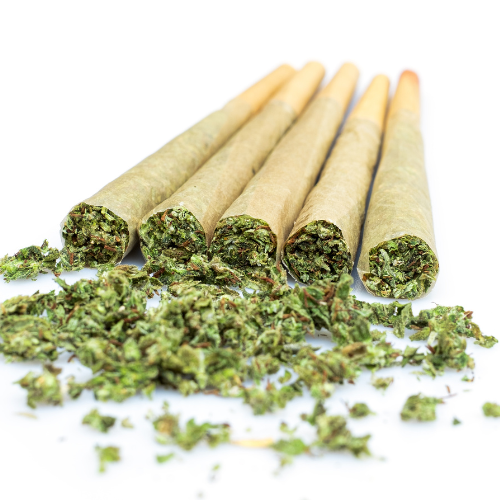
Understanding Interactions, Risks, and Considerations
As cannabis becomes more widely available—whether for medical or recreational purposes—questions about its interaction with psychiatric medications are increasingly important. Many individuals managing conditions such as depression, anxiety, bipolar disorder, or schizophrenia may consider or already use cannabis, yet combining these substances is not always straightforward.
How Cannabis May Interact with Psychiatric Medications
Cannabis contains compounds like THC (delta-9-tetrahydrocannabinol) and CBD (cannabidiol) that interact with the body’s endocannabinoid system. These compounds can influence neurotransmitter activity, which is also the target of many psychiatric medications. As a result, concurrent use may alter the effectiveness or safety profile of prescribed treatments.
A major concern is the potential for cannabis to affect the metabolism of psychiatric drugs. Both THC and CBD can interfere with liver enzymes, particularly cytochrome P450 isoenzymes, which are responsible for metabolizing many antidepressants, antipsychotics, and mood stabilizers (Huestis et al., 2011). This can lead to increased or decreased levels of these medications in the bloodstream, possibly resulting in reduced efficacy or heightened risk of side effects.
Risks and Clinical Findings
Peer-reviewed studies have highlighted several potential risks:
- Reduced Medication Efficacy: Evidence suggests that cannabis use may decrease the effectiveness of selective serotonin reuptake inhibitors (SSRIs) and other antidepressants (Peters et al., 2022).
- Increased Side Effects: Combining cannabis with antipsychotic medications may increase sedation, cognitive impairment, or even the risk of psychosis in vulnerable individuals (Zhornitsky & Potvin, 2012).
- Relapse and Symptom Worsening: In people with bipolar disorder or schizophrenia, cannabis use has been linked to higher rates of relapse and symptom exacerbation, as well as reduced treatment adherence (Lev-Ran et al., 2014).
- Mood Instability: Cannabis, especially high-THC strains, may destabilize mood or trigger anxiety and paranoia, complicating the management of anxiety and mood disorders (Crippa et al., 2009).
Best Practices for Those Considering Cannabis
Anyone taking psychiatric medications should discuss cannabis use with their prescribing clinician before starting, changing, or stopping either substance. Personalized medical advice is crucial because interactions can depend on the specific medication, dosage, and individual metabolism.
Self-medicating with cannabis is not recommended as a substitute for prescribed psychiatric care. Open communication with healthcare providers and careful monitoring can help prevent adverse effects and ensure optimal mental health outcomes.
Conclusion
The relationship between cannabis and psychiatric medications is complex and still being studied. While some may experience benefits from cannabis under medical supervision, evidence suggests that risks—including reduced medication effectiveness, increased side effects, and symptom worsening—are significant. As research evolves, the safest approach remains an open dialogue with knowledgeable healthcare professionals.
References:
-
Huestis, M. A., et al. (2011). “Human Cannabinoid Pharmacokinetics.” Chemistry & Biodiversity, 8(10), 1901–1931.
-
Peters, E. N., et al. (2022). “The impact of cannabis use on the efficacy of psychiatric medications: A systematic review.” Journal of Clinical Psychopharmacology, 42(2), 101-110.
- Zhornitsky, S., & Potvin, S. (2012). “Cannabis and cognition in schizophrenia: Short and long-term effects.” Current Pharmaceutical Design, 18(32), 5183-5192.
-
Lev-Ran, S., et al. (2014). “Cannabis use and adherence to antipsychotic medication: A systematic review and meta-analysis.” Schizophrenia Research, 148(1-3), 93-97.
-
Crippa, J. A. S., et al. (2009). “Cannabis and anxiety: A critical review of the evidence.” Human Psychopharmacology: Clinical and Experimental, 24(7), 515-523.